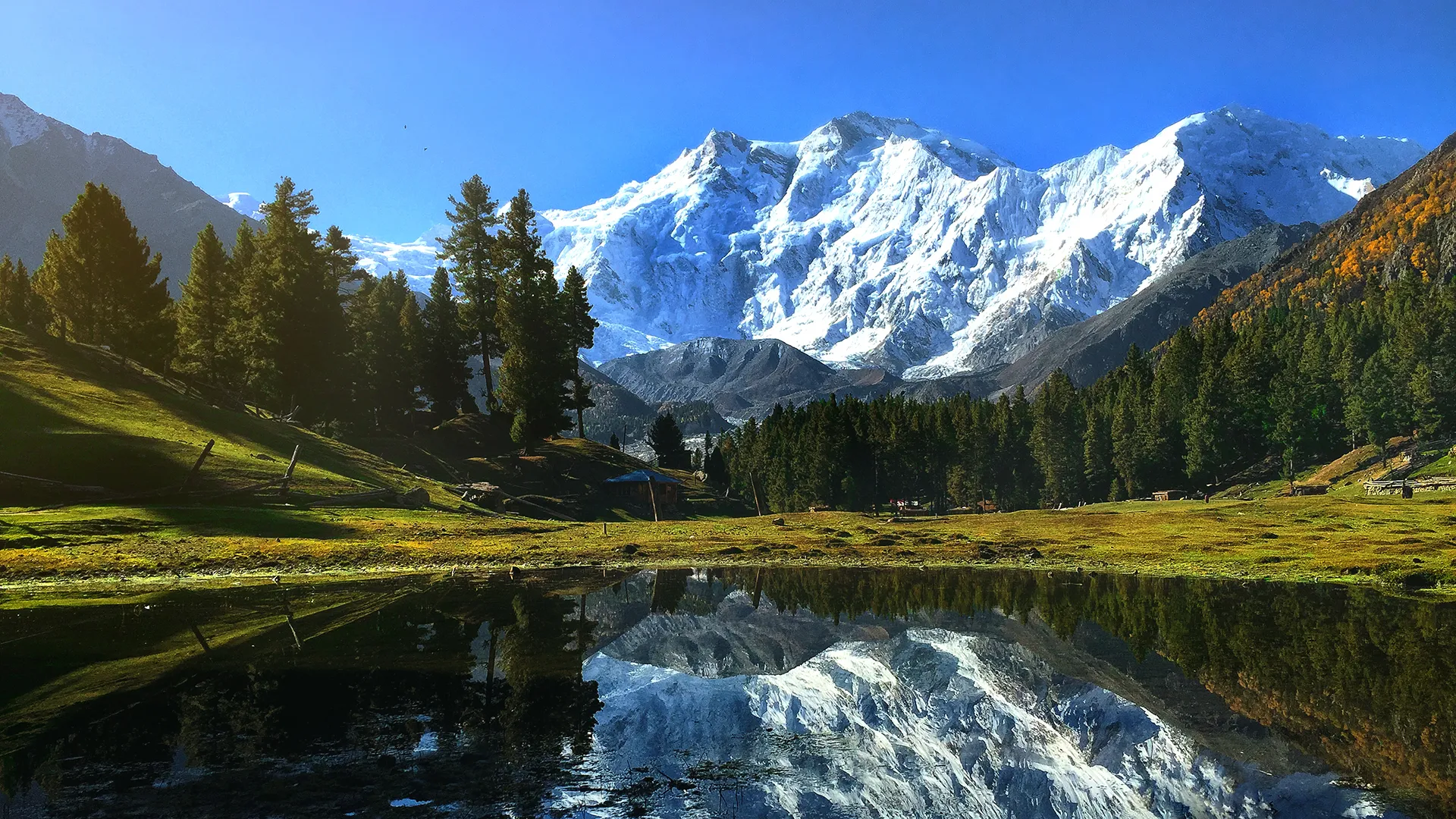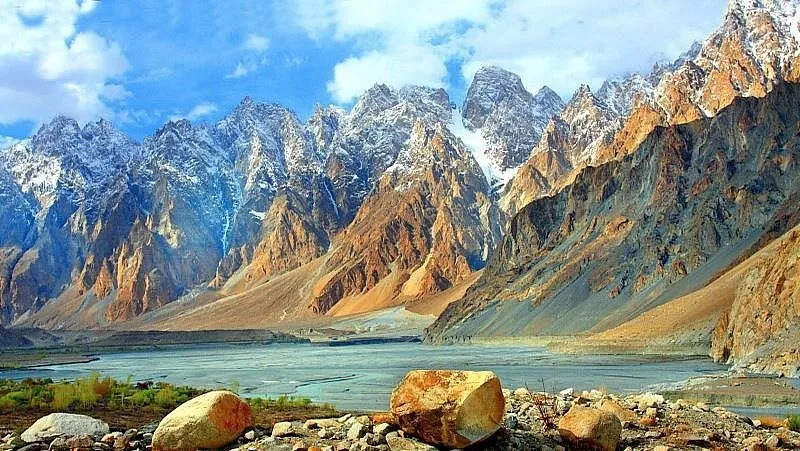
Hunza Valley sits at around 2,400 metres in Gilgit-Baltistan and covers one of the most varied climates in Pakistan’s north. The season you choose changes everything — the landscape, the road conditions, the crowd size, and the activities available. This guide breaks down what each month actually looks like, so you can pick the window that matches your trip.
Quick Answer: When Is the Best Time to Visit Hunza?
April and May are the most popular months — blossoming apricot orchards, clear skies, and warm days. September and October are the second peak — golden foliage, fewer crowds, and some of the sharpest mountain visibility of the year. July and August work well for road accessibility and warm temperatures. January to March is for travelers who want the valley to themselves.
Month-by-Month Breakdown
January – February: Cold, Quiet, and Fully Off the Tourist Grid
Temperatures drop to -10°C at night in Karimabad. Snow closes the Khunjerab Pass (the China border crossing) and some secondary roads. The Karakoram Highway from Islamabad stays open year-round but can be affected by rockfalls. Guesthouses stay open in Karimabad and Aliabad. You’ll have the forts, the bazaar, and the mountain views almost entirely to yourself.
Who this suits: Photographers looking for snow-covered landscapes, budget travelers, and anyone willing to pack serious cold-weather gear.
March: Transition Month — Unpredictable but Rewarding
Snow starts melting at lower elevations. Early apricot blossoms appear in sheltered parts of the valley from mid-March. Nights are still cold (0 to 5°C) but days start warming. Some viewpoints and trekking trails re-open. Road conditions are generally good on the KKH. March is an overlooked window — the blossoms begin before the crowds arrive.
April – May: Peak Blossom Season — The Most Photogenic Window
This is Hunza’s most visited period, and for clear reasons. Apricot, cherry, and almond trees bloom across the terraced fields of Karimabad, Altit, and Ganesh. Temperatures are comfortable — 15 to 22°C in the daytime. The Attabad Lake is fully accessible. All guesthouses are open. The Eagle’s Nest viewpoint gives clear sunrise views of Rakaposhi (7,788m) and Ultar Sar (7,388m).
Practical note: Book accommodation at least 3–4 weeks in advance. Guesthouses fill up fast during the peak blossom window (first three weeks of April). Prices are 20–30% higher than off-season.
June: Late Spring — Good Weather, Fewer Tourists
The blossoms are finished but the valley is lush green. Temperatures hit 25°C in Karimabad. The Khunjerab Pass re-opens (usually around 1 May each year, weather permitting) and traffic increases on the KKH. June is one of the best months for trekking — trails above 3,000m are accessible but not yet dusty from summer heat. Passu Glacier and the Batura Glacier approach are both feasible.
July – August: Warmest Months — Best for Road Trips
Peak summer temperatures reach 28–32°C in Karimabad. Rain is possible but not frequent — Hunza lies in a rain shadow and receives far less monsoon precipitation than lower-elevation areas of Pakistan. July and August are the best months for road-tripping the KKH from Islamabad to Khunjerab. The Attabad Lake is warm enough for swimming near the banks.
Watch out for: Occasional flash floods in Nager and side valleys after heavy rain. Always check local road condition updates before setting off on high-altitude routes.
September – October: Autumn Season — Arguably the Best Overall
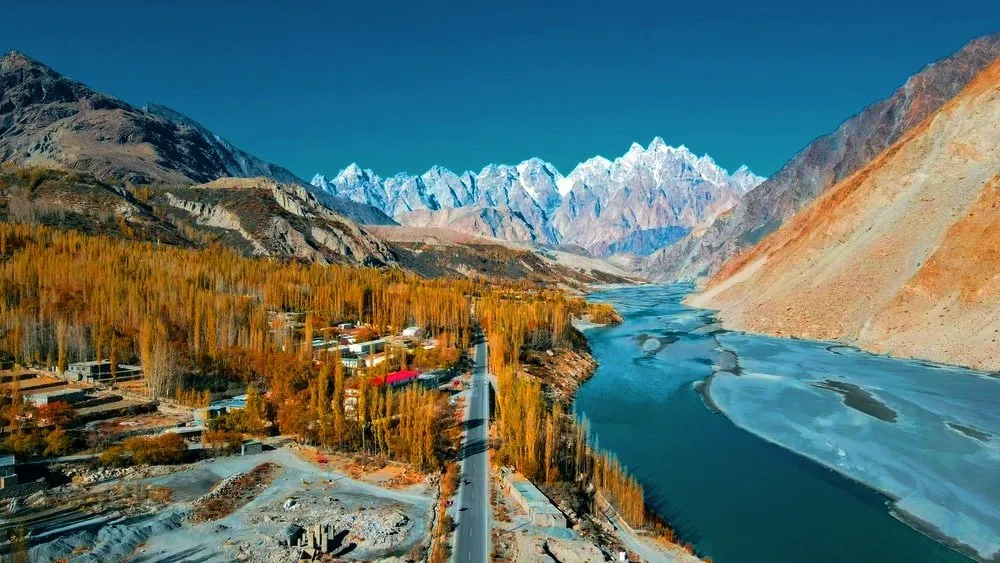
Hunza’s second peak season. Poplar, apricot, and willow trees turn gold, yellow, and rust-red across the valley floor. Temperatures cool to 8–18°C — perfect for trekking and hiking. Mountain visibility is at its annual best in September as the air clears after summer haze. This is when photographers who know the valley prefer to visit.
The annual Hunza Cultural Festival typically takes place in October, with folk music, polo matches, and traditional food events in Karimabad. Confirm current dates with local tourism authorities before booking.
November – December: Late Season — Closing Down
Guesthouses start closing from mid-November. The Khunjerab Pass shuts, usually by 31 October. Nights drop below 0°C. Day temperatures stay around 5–10°C. The valley is quiet — most tourists have left — and the winter light is sharp and low, which some photographers find ideal. Roads remain open but you should have warm gear and contingency plans.
Hunza Season Summary Table
| Month-by-Month at a Glance |
| April – May → Blossom season. Crowded. Prices high. Best for photography. |
| June → Lush green. Uncrowded. Excellent trekking. |
| July – August → Warmest months. Great for road trips and lake visits. |
| September – Oct → Autumn foliage. Clear skies. Best mountain visibility. |
| November – March → Cold and quiet. Off-season. Best for solo travelers. |
Direct link → https://maps.google.com/?cid=11726860897932205361
What to Pack for Hunza — Season-Specific
Spring (April–May)
- Light layers — mornings and evenings are cold (8–12°C)
- Sunscreen SPF 50+ — UV is intense at altitude
- Comfortable walking shoes for village trails and fort access
- Camera or phone with wide-angle capability for blossom landscapes
Summer (June–August)
- Light cotton clothing for daytime — evenings cooler above 2,500m
- Rain jacket — flash rain is possible in July and August
- Water shoes if you plan to wade near Attabad Lake
Autumn (September–October)
- Warm jacket — temperatures drop sharply after sunset
- Hiking boots for mountain trails and viewpoint access
- Gloves and a hat for early morning viewpoints
How to Get to Hunza Valley
By road: Islamabad to Hunza (Karimabad) is approximately 560 km via the N-35 Karakoram Highway. The drive takes 12–14 hours depending on stops. We recommend splitting it over two days with an overnight stop in Besham or Chilas.
By air + road: Fly from Islamabad to Gilgit Airport (45-minute flight, PIA operates this route), then take a shared van or private vehicle 2 hours north to Karimabad.
Northistan runs group tours from Islamabad to Hunza on fixed monthly departure dates. Contact us to check current schedules and availability.